
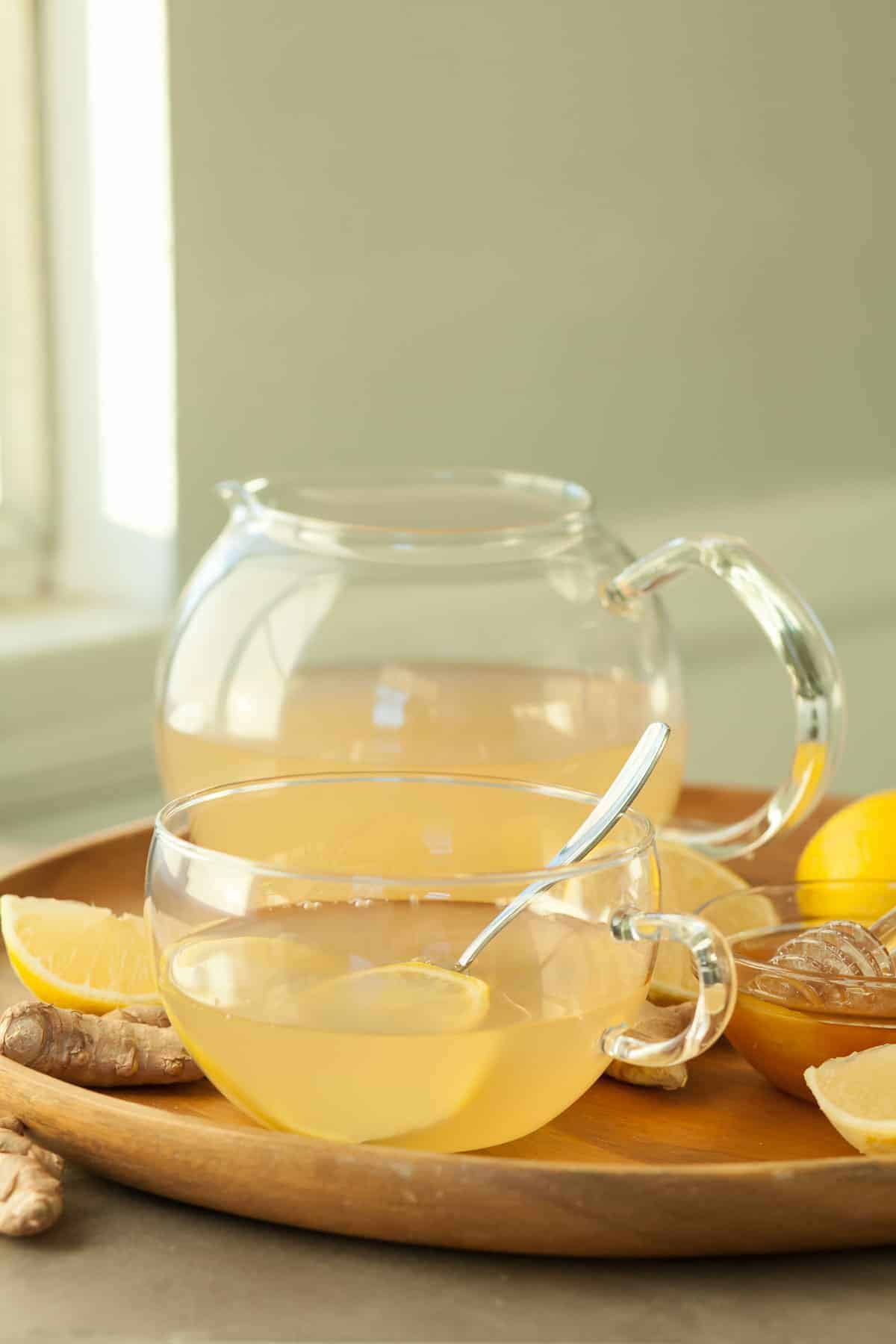
This fresh ginger tea recipe is simple, warming, and naturally caffeine-free. Made with grated ginger for the best flavor and easy to customize with lemon, spices, or herbs.
Fresh Ginger Tea Recipe
Ginger root tea’s spicy, tongue-tingling flavor warms you from the inside out, making it both comforting and invigorating. But beyond its taste, ginger tea also has a long history of uses from aiding digestion to easing nausea and inflammation (source), which makes it a good recipe to have on hand.
Yes, you could buy a sachet of dried ginger tea, but it won’t come close to the flavor of the homemade kind. Thankfully, making fresh ginger tea from scratch is nearly as easy and far tastier. With just a small amount of fresh ginger root, water, and the sweetener of your choice, you can make a warming, homemade ginger tea that’s fresh, flavorful and completely customizable.
This ginger tea recipe is naturally caffeine-free and easy to adjust, whether you like it mild and soothing or bold and spicy. Once you know a few key techniques, it becomes less of a recipe and more of a method you can return to.
Why You’ll Love This Ginger Tea
- Made with fresh ginger for the best flavor
- Simple and fast — just a few ingredients and minimal prep
- Naturally caffeine-free, perfect any time of day
- Easy to customize with citrus, spices, or herbs
Why Make Ginger Tea from Fresh Ginger?
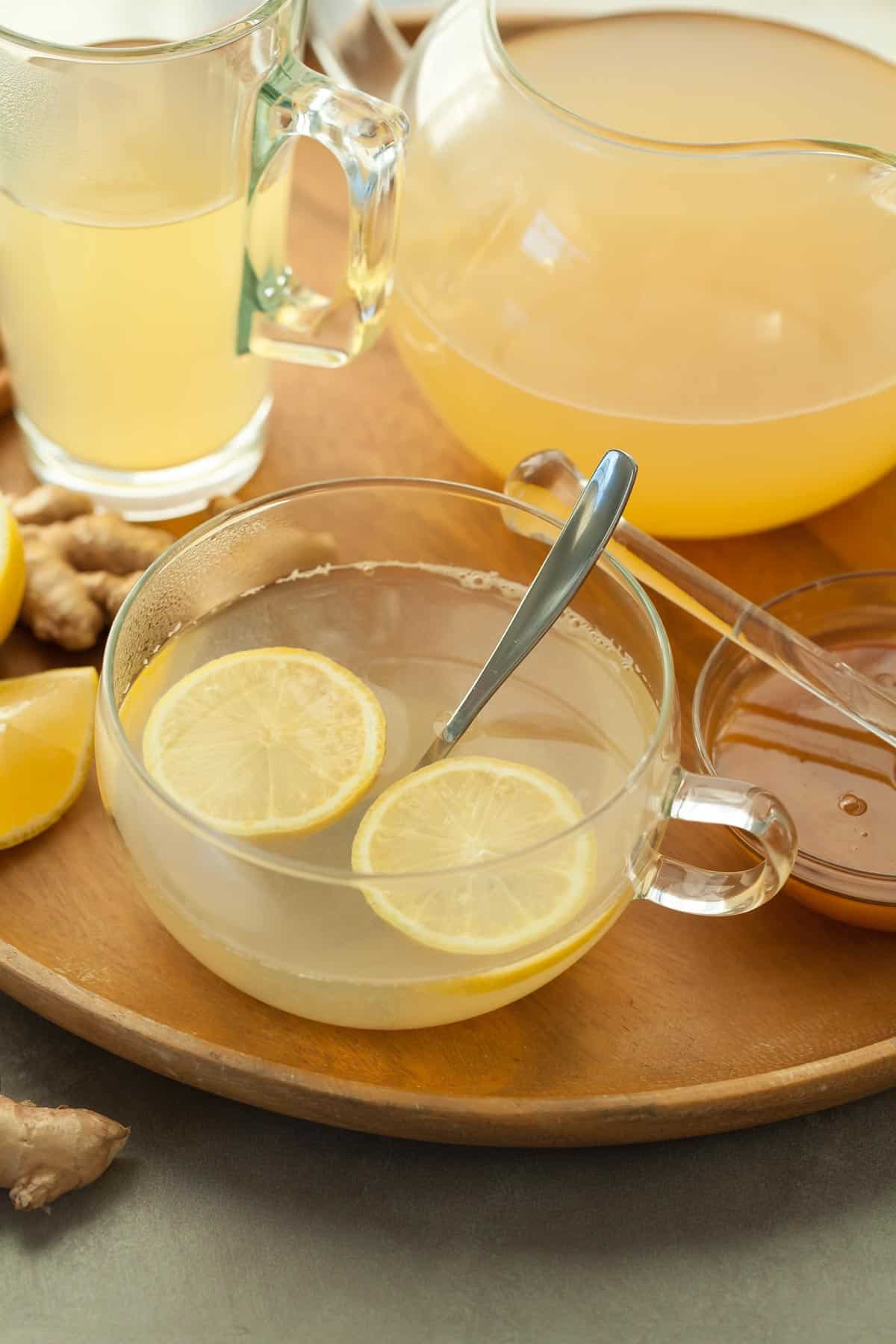
Using fresh ginger instead of dried tea bags makes a big difference in flavor. Fresh ginger releases its natural oils as it simmers, creating a tea that’s brighter, spicier, and more complex than anything made from a packet.
Homemade ginger tea also gives you complete control over:
- Strength and spice level
- Sweetness
- Flavor additions like citrus, herbs, or spices
Once you learn how to make ginger tea at home, it becomes an easy, adaptable staple.
Ginger Tea Ingredients
You only need a handful of ingredients to make this fresh ginger tea recipe, but each one plays an important role.
- Fresh ginger root (grated) – Grated ginger creates the strongest, most flavorful tea. Grating the ginger rather than slicing it ensures a stronger brew without long simmering times. (see tips section below)
- Water – Filtered water gives the cleanest taste.
- Sweetener of choice (optional) – Honey, maple syrup, or another natural sweetener.
- Optional additions – Lemon juice, citrus slices, spices, or fresh herbs (see variations below).
Tips for Making the Best Ginger Tea
The trick to making the best ginger tea is all about how the ginger is prepared. Grating the ginger allows you to extract the greatest amount of flavor by releasing the maximum amount of juice and oils into the water while it simmers and infuses.
Recipes that call for simply slicing ginger into coins often result in a weak tea or require long infusing times. Grated ginger, on the other hand, produces a stronger, more flavorful tea in less time.
Two Easy Ways to Grate Ginger for Tea
1. Box Grater or Microplane
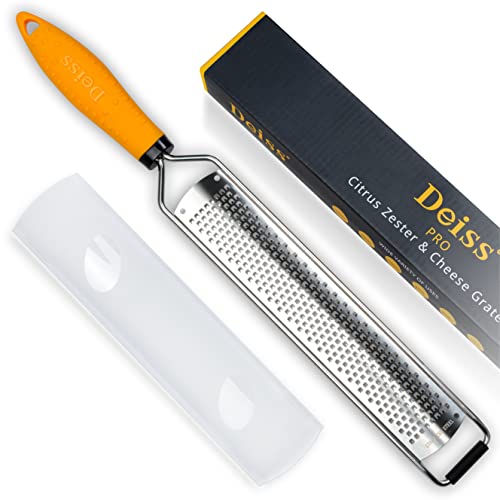
Peel the ginger first, then grate it using a box grater or microplane. This method produces fine ginger pulp that infuses quickly and evenly.
2. Blender Method (No Peeling Required)
For the easiest option, place a piece of unpeeled ginger directly into the blender along with the water and pulse until blended. The skins strain out easily later, and this method requires almost no prep at all, which is great if you make ginger tea often.
How to Make Ginger Tea at Home
(Step-by-Step)
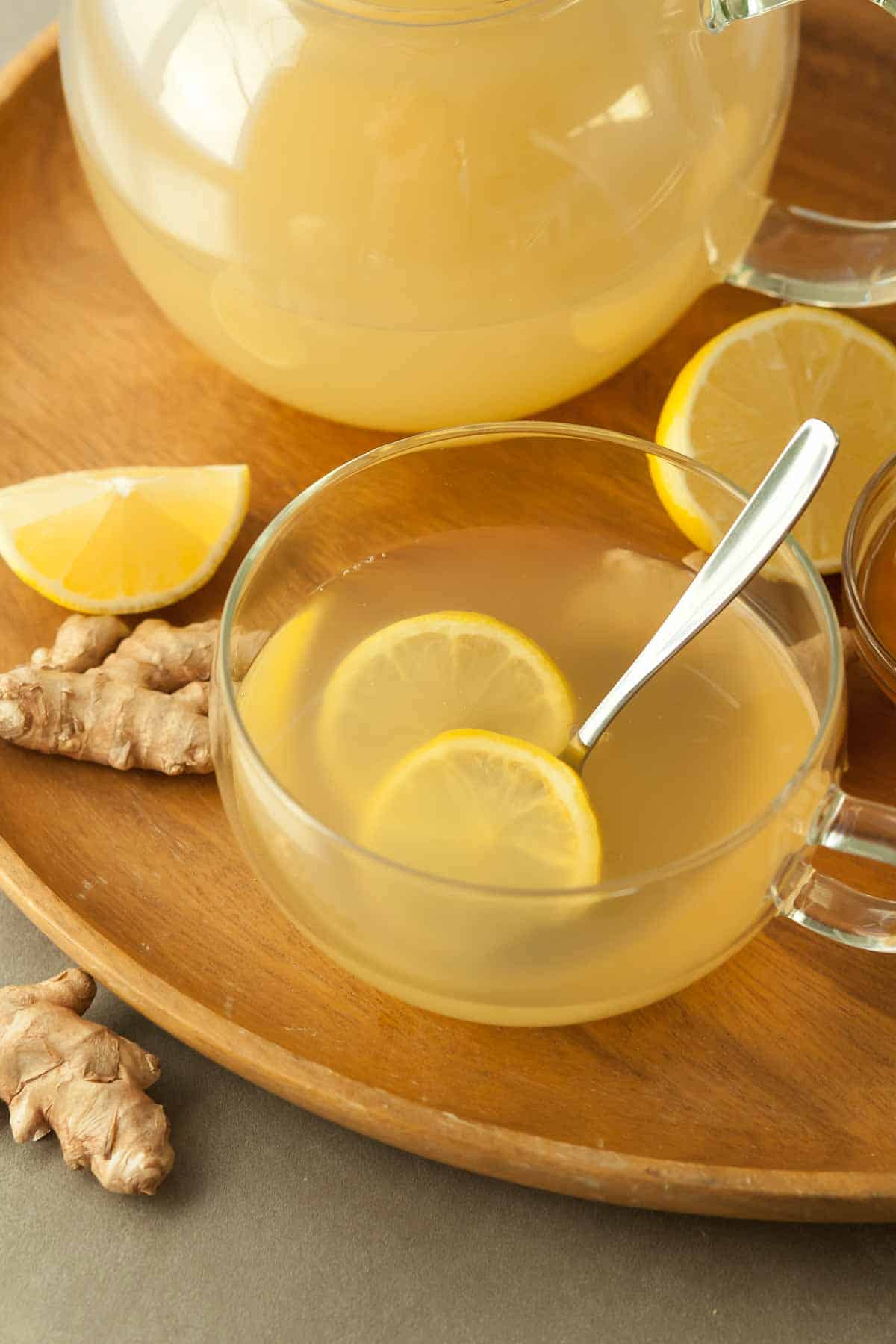
- Add the grated ginger and water to a small saucepan.
- Bring to a boil, then reduce heat and simmer for 3-5 minutes, depending on how strong you like your tea.
- Strain the tea into mugs.
- Sweeten to taste with honey, maple syrup, or your preferred sweetener.
Tip: For a bolder ginger tea, simmer a few minutes longer or use slightly more ginger.
Ginger Tea Variations
Once you’ve mastered the basic fresh ginger tea recipe, it’s easy to customize with spices, citrus, or herbs.
Ginger Lemon Tea (My Favorite)
Add 2 teaspoons fresh lemon juice and a slice of lemon to each cup after straining. Sweeten to taste.
Ginger Cinnamon Orange Tea
Simmer a ¼ stick of cinnamon along with the ginger. Strain, then add 1 tablespoon fresh orange juice to each cup. Sweeten to taste.
Ginger Turmeric Tea
Add a ½-inch piece of freshly grated turmeric to the pot along with the ginger. Strain and add 1 teaspoon fresh lemon juice per cup. Sweeten to taste.
Ginger Fennel Tea
Add ¼ teaspoon dried fennel seeds to the ginger while simmering. Strain and sweeten to taste.
Ginger Mint Tea
Add 1 tablespoon lightly crushed mint leaves to the pot along with the ginger. Crushing the mint helps release its oils. Strain and sweeten to taste.
Can You Store Homemade Ginger Tea?
Yes. Leftover ginger tea can be stored in the refrigerator for up to 5 days. Reheat gently on the stovetop or enjoy chilled over ice with citrus.
Final Thoughts
Whether you enjoy it plain, with lemon, or infused with spices and herbs, this homemade ginger tea recipe is a simple one that’s worth keeping on hand, not just when you’re under the weather, but anytime you want a warm comforting drink.
More Tea Recipes:

How to Make Ginger Tea
How to make your own homemade fresh ginger tea with two easy methods to choose from and 5 variations to try.
Ingredients
- 1-inch piece of fresh ginger
- 1 ½ cups/360ml filtered water
- Lemon slices for serving (optional)
- Sweetener of choice to taste
Instructions
Method 1:
- Peel and grate ginger on a microplane or box grater, combine with water in a small saucepan and bring to a simmer.
- Maintain mixture at a bare simmer for 3-5 minutes, then strain tea through a fine mesh strainer into cup and add lemon slices if desired.
- Serve hot with sweetener of choice to taste.
- For ginger tea variations see notes below.
Method 2:
- Place washed and scrubbed ginger into blender along with the water and pulse until well chopped. Pour mixture into a small saucepan and bring to a simmer.
- Maintain mixture at a bare simmer for 3-5 minutes, then strain tea through a fine mesh strainer into cup and add lemon slices if desired.
- Serve hot with sweetener of choice to taste.
- For ginger tea variations see notes below.
Notes
Ginger Tea Variations:
- Ginger Lemon Tea (my favorite): Add 2 teaspoons of fresh lemon juice and a slice of lemon to cup after straining. Sweeten to taste.
- Ginger Cinnamon Orange Tea: Simmer a ¼ stick of cinnamon along with the ginger, strain and add 1 Tablespoon fresh orange juice to cup. Sweeten
to taste. - Ginger Turmeric Tea: Add ½ inch piece of fresh grated turmeric to simmer along with ginger, strain and add 1 teaspoon fresh lemon
juice. Sweeten to taste. - Ginger Fennel Tea: Add ¼ teaspoon dried fennel seeds along with ginger to simmer, strain and sweeten to taste.
- Ginger Mint Tea: Add 1 Tablespoon lightly crushed mint leaves (crushing the mint helps release the oils) to simmer along with the ginger, strain and sweeten to taste.
How to Peel Ginger:
- Method 1: (easiest): wash and dry your ginger and use a spoon to scrape the skin off.
- Method 2: wash and dry your ginger, cut away any small exterior knobs and use a vegetable peeler to peel the skin.
Method 3: wash and dry your ginger and use a small paring knife to peel the skin cutting off any small knobs that cannot easily be peeled.
Notes:
Increase the quantities listed and make a big batch of tea to store in the fridge and re-heat as needed or serve over ice for an iced tea.
You’ll find fresh ginger in the produce section of the supermarket. Look for firm pieces with
shiny unwrinkled skin.
Store fresh unpeeled ginger in a re-sealable bag or air-tight container in the crisper drawer of your fridge.
Recommended Products
As an Amazon Associate and member of other affiliate programs, I earn from qualifying purchases.
Nutrition Information:
Yield:
1Serving Size:
1Amount Per Serving: Calories: 15Total Fat: 0gSaturated Fat: 0gTrans Fat: 0gUnsaturated Fat: 0gCholesterol: 0mgSodium: 16mgCarbohydrates: 4gFiber: 0gSugar: 1gProtein: 0g
Nutritional information for recipes contained on this website, such as calories, fat, carbs, etc. are only estimates and are not guaranteed to be accurate.

Sylvie Shirazi is the recipe developer and food photographer behind Gourmande in the Kitchen. For the last 10 years she's been making eating more healthfully easy and accessible with gluten-free, grain-free, paleo and vegan recipes that are free from processed ingredients.


Meg says
You can store fresh ginger in the freezer, cutting off whatever you need, as you need it. It lasts for years and it is easier to peel and grate when frozen.