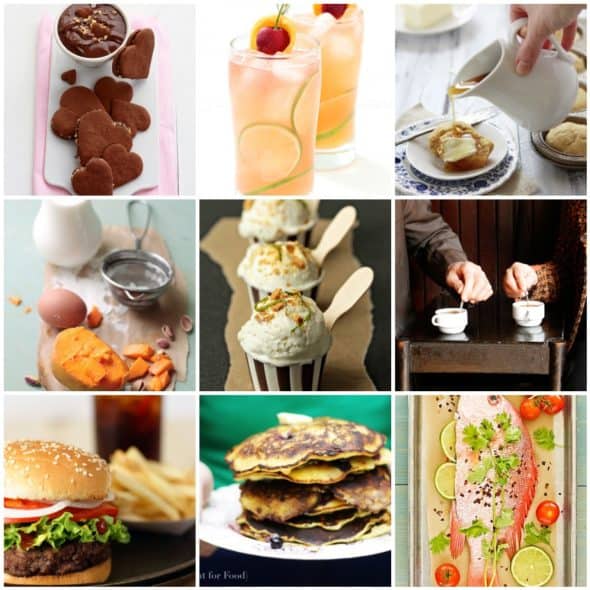
Photography is what one “sees”. When two people look at an image, each one will “see” it differently. After all, art is personal expression.
That being said, there are certain principles that create the foundation of great artwork. Keeping these few principles in mind while composing your image can greatly enhance your photography.
Seeing creatively is an important aspect of photography. In an image there can be various shapes, lines, colors and other elements of design; it is the interaction between these elements that defines how compelling an image is.
The principles of design are concepts used to organize and arrange the structural visual elements of design that we discussed last time. The principles integrate the elements and build on each other. A good way to think about a principle of design is that it is something that can be repeatedly applied with the different elements to produce unity and harmony in a composition.
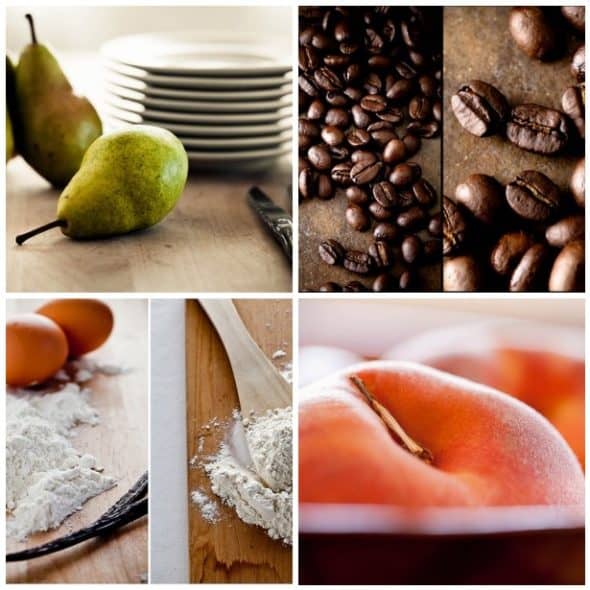
The art of composition is the ability to effectively arrange the various elements of an image in such a way that the resulting photograph expresses what you want to communicate. It’s very likely that you may already intuitively arrange elements so they “look right” but learning these principles of design may help you to better understand how to communicate with your audience and create the image you are after.
Balance refers to the arrangement of objects and the visual equilibrium they create in an image. Balance is created when lines, textures, colors, and shapes are combined harmoniously, equalizing the visual impact of each element in the image. The elements within the composition have a sense of “weight” visually, the positioning of which can leave an image feeling either balanced or unbalanced.
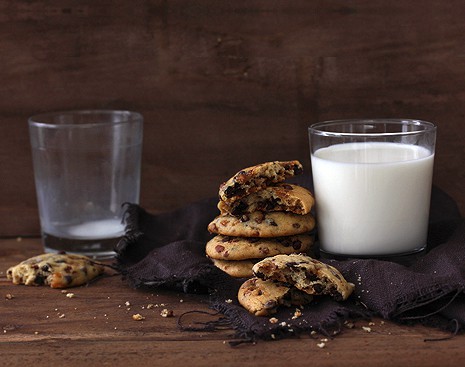
An unbalanced image will feel like there is something missing and causes discomfort for the viewer; this is different, however, from an asymmetrical composition. In a symmetrical composition elements are evenly placed in an image or the two sides of the composition mirror each other.
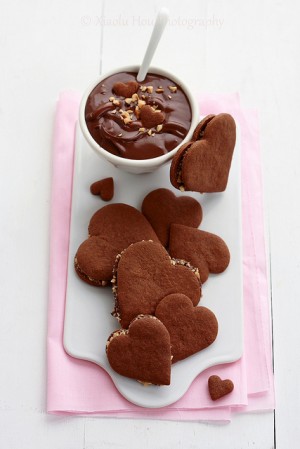
An asymmetrical composition is when visual elements are unevenly placed in an image. Both, however, can be successful.
Although asymmetrical balance often appears more casual and less planned, it takes greater thought to balance larger objects against smaller ones, or large areas of color against smaller areas. The position of the elements is critical in an asymmetrical composition; a heavy visual weight on one side can usually be balanced by a lighter one on the other.
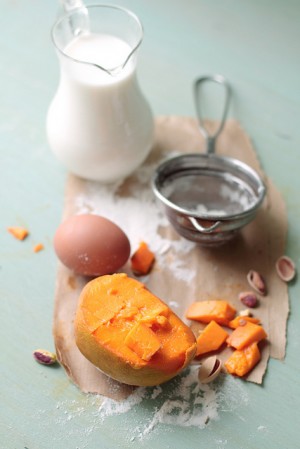
Movement in an image can be both literal and compositional.
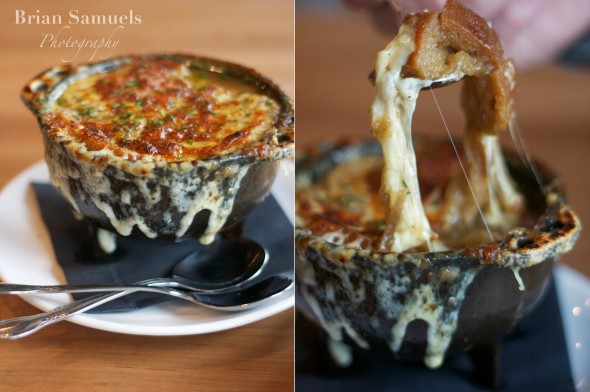
Literal movement is actual physical movement in the image. Examples of literal movement in food photography include: pouring, shaking, tearing, and eating. Compositional movement is the movement of the viewer’s eye through the composition to the areas of emphasis.
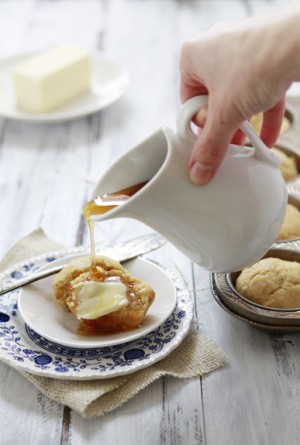
Unlike sequential art forms such as music or film, a photograph is revealed to the viewer at once. The photographer needs to create an area of emphasis, a focal point, which will lead the viewer through the frame as they take in the whole image.
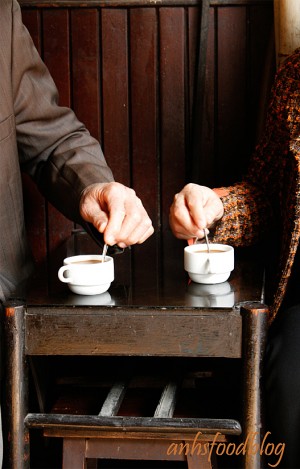
Compositional movement can be directed by lines, shapes, or colors. For example, two similar shapes, even on different sides of an image, will lead the eye from one to the other.
Pattern is the repetition of elements such as shape, texture or form. Patterns create a rhythm that the eyes enjoy following and give a sense of structure to an image. Rhythm is based on repetition; an easy way to achieve rhythm is by using similar shapes.
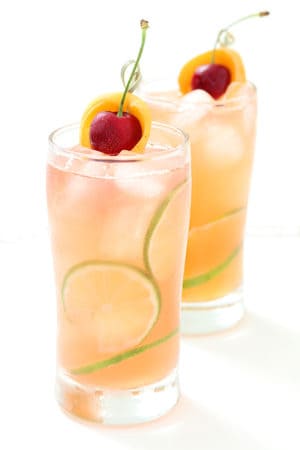
There are different ways to use patterns. It can be used as the main subject but is more often used as a supporting element to enhance a composition. Supporting element patterns strengthen and add interest to your main subject.
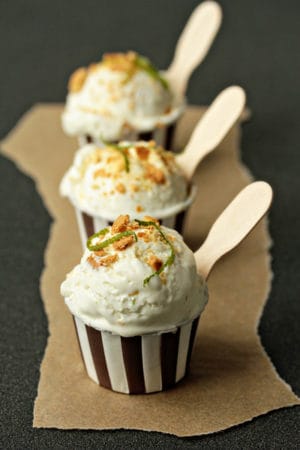
When lines, shapes, and colors within a picture occur in an orderly way, they create patterns that can enhance the focus of an image. Pattern, like texture, is found almost everywhere; you just have to keep an eye out.
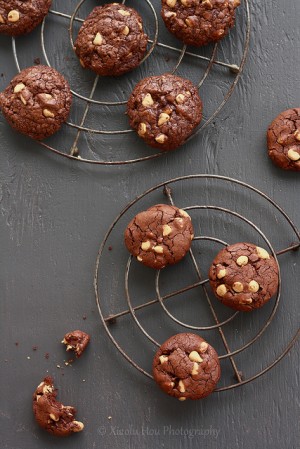
Scale and Proportion are closely tied to one another and affect the overall feel of an image. When an image lacks proper scale and proportion it can feel unsettling but when used well, they give an image a feeling of harmony.
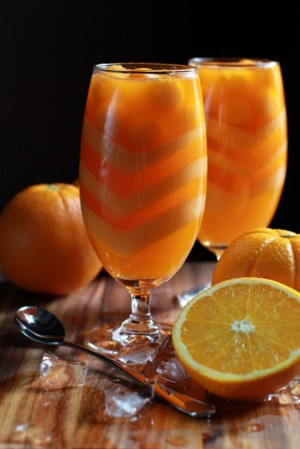
Scale refers to the overall size of an object within the frame. Proportion is the relative size of objects to one another. A good example of proportion in terms of food photography would be the relationship of the food and the way it is plated.
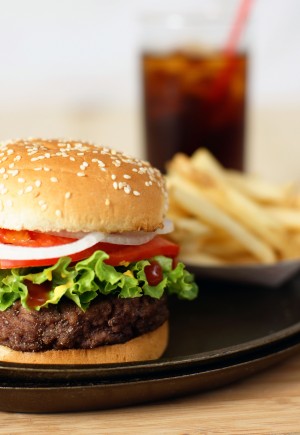
The principles of scale and proportion are also tied to emphasis and focal point. Don’t be afraid to experiment with scale and proportion, sometimes an intentionally over-scaled object can become a focal point and can have a dynamic effect on an image.
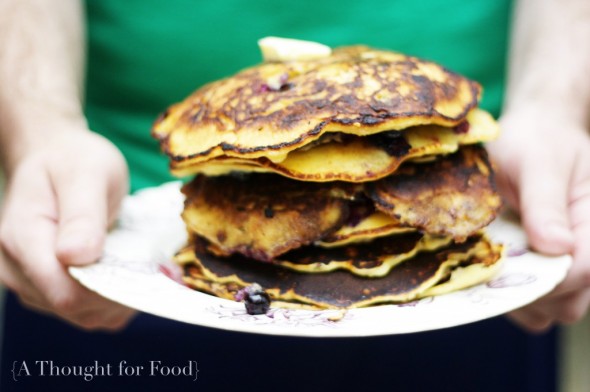
The end goal is to keep the visual elements and principles of design in mind when composing an image.
When creating your image ask yourself: How do things look? Does what you see in the viewfinder match with what you envisioned? How can you use lines, shapes, space, colors and texture to create a sense of balance, movement, pattern, or proportion?
Everyone’s creative process is different; experiment and find what works for you.
(A big thank you to everyone who took the time to send in their photos)
Read part one of the food photography series: Learning the Visual Elements of Design.
Read part 3 of the food photography series: Prop Styling with Paula Walters
Read part 4 of the food photography series: Food Styling Q &A with Tami Hardeman
So if you’ve ever had anything you’ve wanted to know about food styling this is your chance to ask. Just leave your question for her in the comments or you can email them to me at gourmandeinthekitchen[at]gmail[dot]com.

leave a comment
Such a great reminder of the points to bear in mind when composing a photo, Sylvie! As you say, even if you do some of them intuitively, it’s so good to step back, look at what you do, and maybe try and work on some of the elements above that you do not naturally emphasise in your shots. Thanks for a great series!
Loved reading this. Agree with Jeanne that it really helps to step away and think of all these elements in the picture and how they work together to create the image you plan. Thanks for running us through all the different elements with examples. Fabulous!
Another isteresting and instructive post! I love this series…
Cheers,
Rosa
Awesome post, Sylvie!
As I study Plate to Pixel like it’s my job, it’s always great to read other posts on this jazz.
Movement. If there was one thing Matt went over in our food photography workshop it was creating movement in your photos. That cheese picture is awesome b/c there’s no “movement” per se like the syrup pour but it’s very much an “alive” shot.
As the other commenters have noted, sometimes you may have a balance and well proprtioned photography but you don’t do it consciously. I think I need to have a look at the thought process behind my photography and apply these elements BEFORE taking a shot. Great job Sylvie
Thanks for spending so much time to put all these elements in one place so succinctly and with such a detail. I love looking at the examples and comparing photos, trying to figure out all the different ways people approach composition.
If only I remembered to take time and plan ahead every photo I take!
[...] Part 2: The Principles of Design [...]
Fabulous post Sylvie! Great reminders and gorgeous inspiration!
This all makes such sense, but when it comes to applying it, I’m not sure why I still struggle so often…..so I LOVE soaking everything you have to say!
This is a fabulous post which I m printing and saving!
Once again a wonderful post!
I am going to study these posts word from word… thank you, Sylvie, for sharing!
Wow….so much inspiration! I need a class from you, Sylvie!
Wonderful post! Great points about symmetrical versus asymmetrical set-ups. My 9-year old son was looking over my shoulder and, when he saw the banana cookies, he said, “What a cool photo!”
I love getting a peek inside how your mind works, Sylvie. Great lessons to be learned here.
Great part 2 post Sylvie,and so fun you featured all the great photos! All I can say is that I’m reading this after I just woke up, cup of coffee in hand, and now I’m very hungry!
Amazing points. Can you write more on all the details that go into creating the picture. How and where do you get all the perfect looking props.
Great post, Sylvie ! The language we should understand as food photographers
This post is so brilliant I am going to have to bookmark it and refer back to it again and again and again. Amazing information Sylvie!! You need to write a book!!
good info Sylvie – and as others have said, it’s always a good idea to step back or step away – from the project, and come back fresh; just gives a different perspective sometimes!
Love this series Sylvie. Marking it so I come back to it when I got a moment later today. scanned through this one and of course read your previous one. Gorgeous pics and tips and examples!
Once again, fantastic post and tutorial!
Wonderful pointers… some of those photos took my breath away… those hands on the coffee cups! Oh my…
Fabulous post! You need a book ASAP. These are wonderful and filled great information
So eloquent and such lovely detail. I am just so enamored with learning about photography. I had never even *thought* about taking photos of food until I started my blog a little over a year ago. Now that I’ve had my “big girl” camera for a few months, I find myself falling deeper and deeper in love with photography and into the *art* of capturing the perfect moment to express what I’m trying to say. These are wonderful pointers…thank you so much for taking the time to put this together!
You know I come here and study your pictures. So of course your series is another way to study from you. Breaking down the visual principles is something that I’ve never consciously thought about it. Most of the times I’m just trying to strike a balance and worrying about my lighting.
I’d love to know how much planning you put into your shot prior to shooting or does the final shot come with just tinkering around.
So informative and so well written. I agree with the others, I need a lesson from you and you need a book!
wonderful info fabulous post!!
My first time here, what an interesting post and very helpful!
All well and clearly formulated and beautifully illustrated !
What a beautiful post! Great pointers to remember and learn from. Good stuff Sylvie! All the pictures are so beautiful
great series of posts Sylvie! I’m looking forward to reading more of them.
I’d love for you to ask the stylist how she goes about styling things that are messy. One that I really struggle with is a slice of pie. And of course, keeping in mind that this would be a pie I’m baking to be consumed to I don’t want to add anything odd to it so it becomes inedible.
That’s a great question, thanks Melissa.
Wow, thanks Sylvie, this one area I really struggle in, composition just seems to evade me….sigh
I will reread this a few times and hopefully it will sink in!
Have a happy weekend
Dennis
This post is sooo engaging. I want to keep upping my game & technique in photography and you have chosen some very inspiring photographers to high light here. Stunning photos and excellent tips.
Love your posts. So helpful, thank you!
sylvie, this is such a great post ! so useful
you rock ! thank you for sharing
Sylvie, what an incredible compilation – so very effective in explaining design, something I know I struggle with. Thank you!
Just found your site from TidyMom : ) Beautiful!! Thank you for sharing parts 1 & 2 of this post. I will be here often!
I have read this post couple of times now and every time I read I appreciate it more. Your thought processing is brilliant. I just admire your perspective towards photography and this is one post I will read it again and again.
I’ve been waiting for the second post of this series. I am loving it!
I love it!! Great tips and wonderful looking at all these beautiful photos!
So many things to learn. I am going to print this and like read it at least once every day so that i can remember it when I am clicking
Thank you so much. Sent you an email with my question.
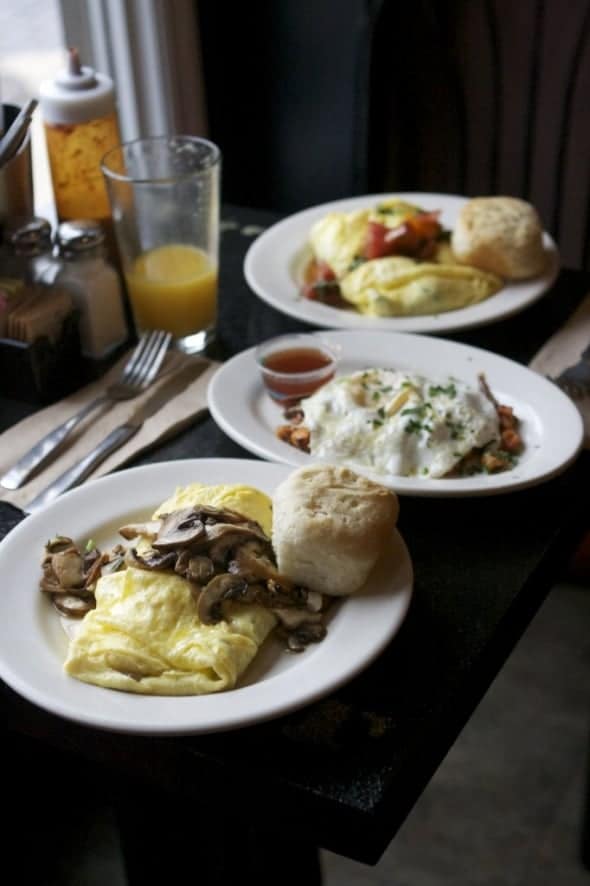
A brilliant post Sylvie! And thanks so much for including that cafe corner photo of mine.
Wonderful post. I love the shots you chose.
Nicely done tutorial, Sylvie.
Great write-up!!
I am surely going to apply these principles not only in food photography but other categories too
It’s a diffinite gift to be able to follow all the photography rules of pure flawless execution every time. I can see it requires alot more work than my amatuer shots show. This is very helpful, I admire those foodies that get it, understand it and embrace it.. these are just gorgeous, it like interior decorating I cant do that either~ thanks for showing me how its really done… this was just awesome~
I had read this post a few days ago..(didn’t have time to write a comment) and I remembered it SO much today, when I saw the unbalanced photos I had taken !!!
Thanks for all the tips!
Really well written post Sylvie! I enjoyed reading this
I love reading all your tips and tricks. I learn so much from you! Thanks for doing this series. I definitely need to learn some new things! Hope you had a great weekend!
p.s. you know you could just come and take all my pics for me and then I wouldn’t have to learn anything! LOL!
Indeed, a great series, especially for those of us who are more verbal than visual. A gorgeous selection of images you have selected, too. Beautiful. But what annoys me as someone who looks at a lot of blogs and who reads a lot of food magazines – something that no one seems to discuss – is the trend of a photo being over-stylized to the point of being clichéd; the trend of styling a certain way so many photos by the same photographer end up all looking like the same photo; the trend of styling a certain way becoming the “accepted” way to style so many bloggers end up offering us the same basic photo. Does this make sense? Like writing, photos should not only be personal to the person taking it but should fluctuate in mood, emotion, setting for the same person. What do you think about this? It just seems that in the world of food blogs there are so many fabulous photos out there and super talented photographers now but also way too much of the same old, same old.
Beautiful post, Sylvie
Great inspirational tips!!!
Thanks for sharing.
Hugs,
Aldy.
Great post. This tips are very helpful and it’s important to think about this principles when you take a picture.
Thanks
Gorgeous!! Thank you for all of the amazing tips. You have such talent!
Great post !!! The pictures and write up amazing with lovely tips. Thanks for sharing
I really struggle with the composition of my photos. I have no natural eye for it, but your explanation of balance helped tremendously! Thank you for sharing your understanding and talents with us.
Hi There, This is looking absolutely delightful. Would love to have more tips from you on how to excell in photography. THank you so much for sharing the best of everything, always. Have a great day….Regards, Sonia !!!
ONce again, a very informative article. My skills are improving, but I still have a ways to go yet.
[...] (Read part 2 of the food photography series here.) [...]
[...] part one we discussed the basic visual elements of design. In part two we built upon those elements and unified them with the principles of design. For part three of this [...]
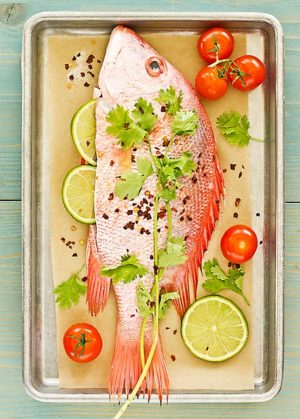
Look at those pictures! I tell you I am inspired but jealous at the same time. I think my favorite is of the fish but all are great and the tips in this last phase are priceless! Thanks
Wow! Those pictures are amazing! I am so inspired! I am taking a photography class asap! My pics on my blog are so unacceptable after seeing these!
Great overview… I need to read and re-read this again! Thank you for sharing your talent!
[...] for a bit of a refresher course on design and composition, don’t miss this great post on The Principles of Design from Gourmande in the Kitchen. I always love the rich colors and the unique style of Sylvie’s photos, and I just cannot get [...]
Gorgeous compilation of photographs and thoughtful discussion of the principles of composition. Learning so much from this series, Sylvie. Thank you!
[...] one and part two of the series we started the discussion on food photography with how to see more creatively and a [...]
Bookmarked this post! Absolutely giving us a lot more knowledge. I love your explanation about asymmetrical composition
What an amazingly useful post. Lovely photographs and very practical advise. Thanks.
I like this usefull information, for that reason I wanna thank you for posting it and I’ll follow your blog even more when you’ll keep up the good work!
[...] one and part two of the series discuss how to see more creatively by using the elements and principles of design. In [...]
I’m catching up on old Stumble shares. Somehow I missed the whole month of July and August. I still struggle with a lot of these principles so it’s always inspiring to see your work as well as those whose images you’ve shared in this post. I have lots to learn. Thanks, Sylvie!
[...] Part 2: The Principles of Design [...]
[...] one and part two of the series discuss how to see more creatively by using the elements and principles of design. In [...]
[...] I love when people break down Food Photography for dummies. Hi, I’m a [...]